
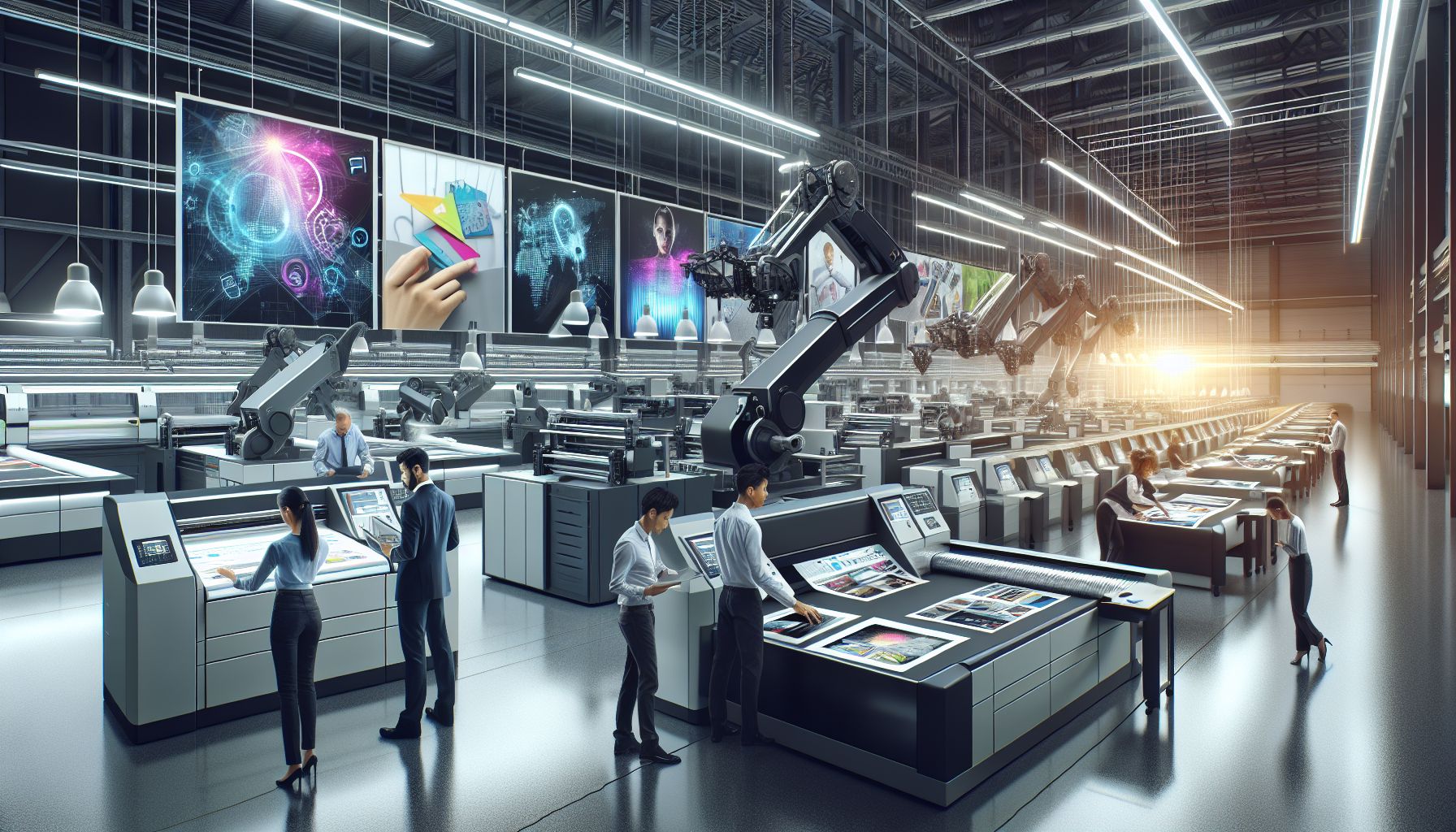
In today’s fast-paced digital landscape, industries are constantly experiencing dynamic shifts and dramatic transformations. The printing industry is no exception. From its humble origins as a means of mass producing written content, the printing industry has evolved into a multifaceted sector that embraces cutting-edge technology and caters to a diverse range of customer needs. In this blog post, we will explore the latest trends in the printing industry and discuss the exciting innovations that are shaping its future.
Introduction
The printing industry, traditionally associated with ink on paper, has witnessed a revolution in recent years due to rapid advancements in digital technology. The rise of the Internet and digitization have presented both challenges and opportunities for this age-old industry. As businesses strive to stay relevant in the digital age, the printing industry has adapted and transformed to meet the changing demands of its customers.
In this ever-evolving landscape, it is essential for industry professionals and enthusiasts to stay informed about the latest trends, emerging technologies, and forward-thinking approaches that are reshaping the printing industry. Let’s dive into the transformative developments that are shaping this exciting sector.
1. Digital Printing
One of the most significant trends in the printing industry is the widespread adoption of digital printing technology. Digital printing allows for quick and cost-effective printing, making it an attractive option for small print runs and personalized printing. Unlike traditional printing methods, which rely on plates and setup times, digital printing enables on-demand printing and customization, leading to reduced waste and increased efficiency.
Furthermore, digital printing opens up new possibilities for variable data printing, where each piece can include personalized information. This makes it particularly appealing for direct mail campaigns, promotional materials, and other targeted marketing efforts. As the technology continues to improve, digital printing is likely to become even more mainstream in the coming years.
2. 3D Printing
Another trend that has gained significant attention in recent years is 3D printing, also known as additive manufacturing. While still in its early stages of development, 3D printing has the potential to revolutionize the printing industry. Instead of printing on a flat surface, 3D printers create three-dimensional objects by layering materials such as plastic, metal, or even food items.
Currently, 3D printing is widely used in industries such as aerospace, automotive, healthcare, and manufacturing, as it allows for the production of complex components and prototypes with high precision. As the technology continues to mature and become more affordable, we can expect to see its integration into various sectors of the printing industry, including consumer goods, fashion, and even construction.
3. Sustainable Printing Practices
With growing environmental concerns, sustainability has become a critical factor in the printing industry. Printers are increasingly adopting sustainable practices to reduce their environmental footprint, including the use of eco-friendly inks, recycled paper, and energy-efficient printing equipment.
Moreover, digital printing has contributed to sustainability efforts by eliminating the need for excessive setup, reducing paper waste from overproduction, and allowing for on-demand printing. As consumers become more eco-conscious, businesses that prioritize sustainable printing practices are likely to gain a competitive edge in the market.
4. Augmented Reality (AR) Integration
In an age where digital and physical worlds are becoming increasingly intertwined, the integration of augmented reality (AR) into the printing industry offers exciting possibilities. AR allows users to interact with printed materials using their smartphones or tablets, bringing static images to life through animated content, videos, or additional information.
By incorporating AR into printed materials, businesses can enhance customer engagement and create immersive experiences. This technology has applications across various sectors, including marketing, education, entertainment, and product packaging. As AR technology evolves, its integration with the printing industry is set to grow, providing new and exciting avenues for creative storytelling and customer interaction.
5. Web-to-Print Services
In today’s digital age, convenience and accessibility are paramount, which has led to the rise of web-to-print services. Web-to-print allows customers to design, order, and print their materials directly through an online platform. From business cards and banners to personalized apparel and promotional products, web-to-print services offer hassle-free printing solutions at the click of a button.
This trend has empowered individuals and businesses alike, as it provides an easy and efficient way to bring their creative ideas to life. With the ability to upload designs, customize templates, and choose various printing options, web-to-print services have revolutionized the printing industry by streamlining the ordering and fulfillment process.
Conclusion
The printing industry, which has successfully adapted to the digital age, is undergoing significant changes driven by emerging technology, evolving customer preferences, and sustainability concerns. Digital printing has become the norm, enabling on-demand printing, personalization, and efficient production. On the horizon, 3D printing promises to disrupt traditional manufacturing processes, while augmented reality integration and web-to-print services are transforming how businesses engage with customers.
As the industry continues to evolve, it is imperative for printing professionals to stay informed about these emerging trends and leverage them to their advantage. By embracing innovation, sustainability, and customer-centric solutions, the printing industry can thrive in the digital age and remain a valuable partner to businesses and individuals seeking high-quality and visually engaging printed materials.